
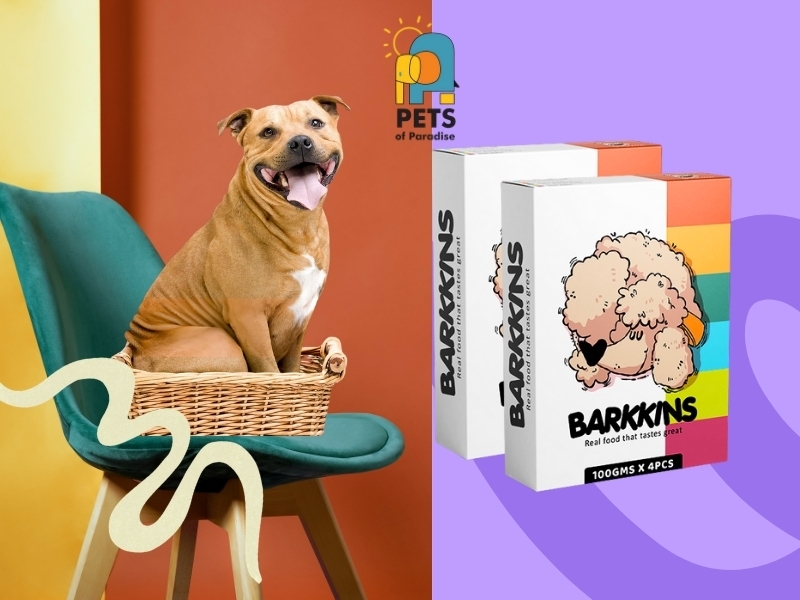
In a strategic move aligned with the rising demand for fresh and minimally processed pet food, Pets of Paradise has launched Barkkins, its new home-style, ready-to-eat dog food sub-brand. Designed to bridge the gap between traditional kibble and fresh feeding, Barkkins focuses on visible ingredients, gentle cooking, and shelf-stable safety without preservatives.
In this business-focused interview with Petbiz India, Dharshankaur Khalsa, Co-Founder of Pets of Paradise, discusses the commercial thinking behind Barkkins, product-market fit, consumer behavior shifts, and how Indian homegrown brands are building credibility in the evolving pet food economy.
Q: Barkkins marks a strategic expansion for Pets of Paradise. What market opportunity did you identify that led to the creation of this sub-brand?
Darshankaur: We identified a massive opportunity to provide ready-to-serve fresh meals for dogs who are picky eaters or have sensitive stomachs. There was a clear need for a product that offered the benefits of a home-cooked meal (high protein, no preservatives) with the convenience of a shelf-stable pouch that requires no refrigeration.
Q: The Indian pet food market is becoming increasingly crowded. How does Barkkins differentiate itself in terms of product philosophy, positioning, and consumer trust?
Darshankaur: Barkkins differentiates itself by “flexing” its human-grade ingredients and non-mushy texture. While others use processed powders, we ensure every rice grain stands out. Our positioning is built on the trust that “what you see is what you get”—real chicken, bone broth, and fresh veggies with zero artificial additives.
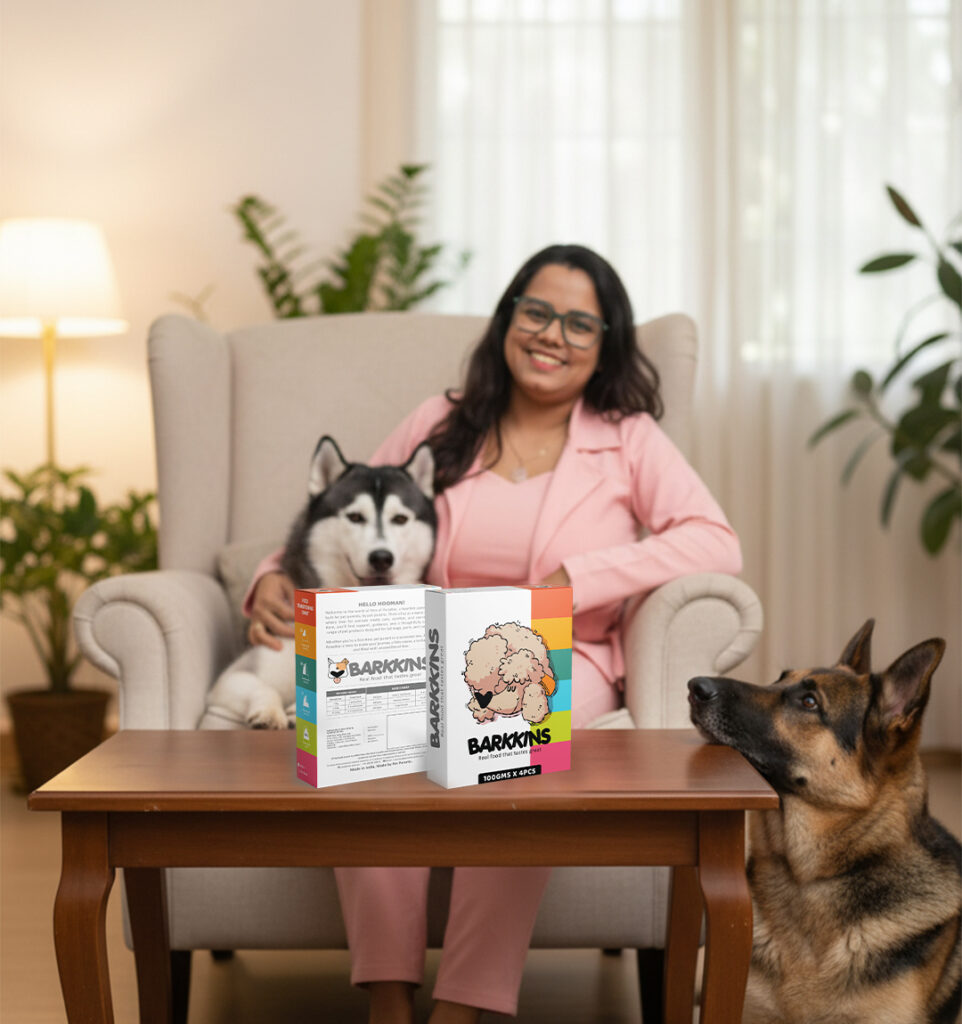
Q: Conducting pet parent trials before product launches is still uncommon in India. From a business perspective, how has this approach impacted product acceptance and brand credibility?
Darshankaur: This approach has directly boosted brand credibility by proving that our food can “cause too much happiness” in a pet’s life. By letting pets and parents “Try it yourself” before a full launch, we’ve created a community of advocates who have seen the physical results—like shinier coats and empty bowls—firsthand. This also allows us to keep improving the products based on insights from real users apart from the research-backed formulations.
Q: Barkkins offers a focused but diverse product range. How did you decide on the initial SKUs, and what role did consumer feedback play in shaping this lineup?
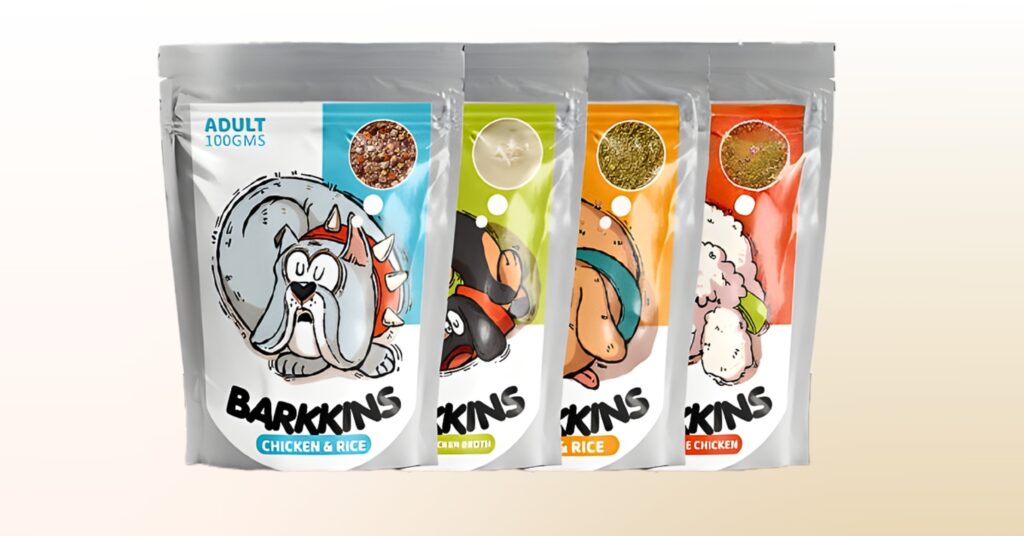
Darshankaur: Consumer feedback regarding hydration and life-stage needs led us to create a range that includes Adult Chicken & Rice, Puppy Chicken & Egg, and Specialist Grain-free options. We also introduced the Broth and Jelly variants specifically to cater to those who wanted to enhance their existing dry food or provide a “dream-like” gourmet snack.
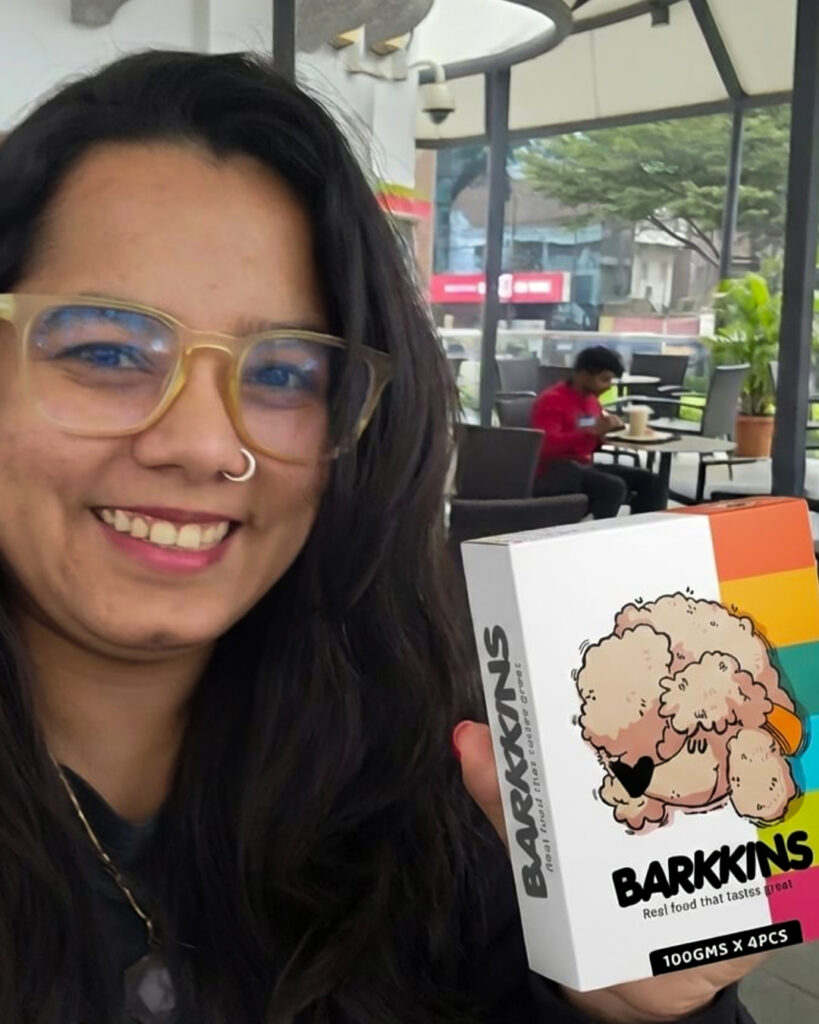
Darshankaur Khalsa
“Barkkins was built to address a clear market gap—pet parents want fresh food, but they also want safety, consistency, and scalability.”
Q: As a homegrown brand using locally sourced ingredients, what operational or supply-chain challenges have you faced—and how have you addressed them?
Darshankaur: Sourcing locally produced, human-grade meat consistently is a challenge we met by building robust partnerships with local suppliers. By keeping our supply chain local, we ensure freshness and are able to deliver “locally produced” quality that suits breeds living in the Indian climate.
Q: Ready-to-eat fresh meals require strong quality control and logistics. How has Pets of Paradise built systems to ensure consistency, safety, and shelf stability?
Darshankaur: We have implemented Retort Processing technology, which uses heat and pressure to sterilize the food inside the pouch. This ensures 100% safety and shelf stability for 12-24 months without any refrigeration or preservatives, allowing us to ship nationwide while maintaining “just-cooked” freshness.
Q: Pricing is often a barrier in the fresh food segment. How does Barkkins balance affordability with ingredient quality and sustainable margins?
Darshankaur: We balance this by offering value packs (Pack of 15 or 45) that allow pet parents to save significantly while still providing premium nutrition. By focusing on real food without the fillers, we ensure every rupee spent translates into absorbable nutrition, making it a more cost-effective choice in the long run compared to health issues caused by poor diets.
Q: With Purrkins currently under development, how does the brand plan to translate its dog nutrition philosophy into the cat food segment, which has distinct nutritional needs?
Darshankaur: The Purrkins range will follow the same “Meat First, Real Food” philosophy, focusing on high protein (up to 80% meat) and hydration boosters like camel milk and slow-cooked broths. Just as Barkkins uses visible grains and meat, Purrkins will prioritize textures and ingredients that are gentle on sensitive feline stomachs while being ultra-hydrating.
Q: How do you see Indian pet parents evolving as consumers, particularly in their expectations from pet food brands over the next five years?
Darshankaur: Parents are moving away from “commercial kibble” toward clean, transparent labeling. We expect them to demand more human-grade standards and functional ingredients that support specific areas like mobility, digestion, and coat health, rather than just basic calorie intake.
Q: Looking ahead, what role do you envision Barkkins playing in shaping responsible feeding practices and ethical pet food standards in India?
Darshankaur: Barkkins aims to lead by example, proving that no preservatives or anything artificial is possible for mass-market pet food. We envision a future where “Real food that tastes great” is the baseline for the Indian pet industry, ensuring every breed can thrive on locally sourced, high-quality nutrition.